Garden clearance in Wallington

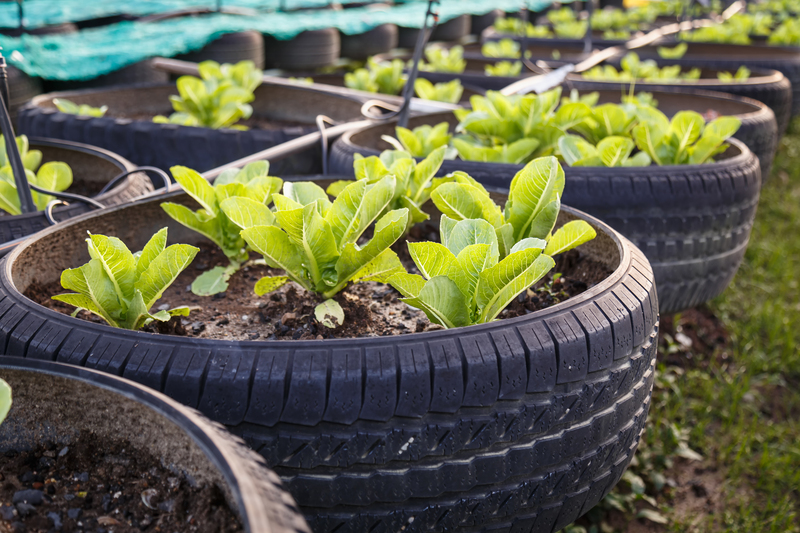
Garden clearance in Wallington should make outdoor space easier to use, maintain and plan for the seasons ahead. We clear away green waste, overgrown growth, broken outdoor items and mixed garden clutter, then leave the area ready for the next stage of work. That may mean a full tidy-up after a long spell of neglect, or a lighter clearance before planting, landscaping or a regular maintenance visit. The aim is straightforward: remove what no longer serves the garden and create a cleaner starting point.
Our work covers the practical parts of garden clearance rather than general gardening. We deal with brambles, cuttings, leaves, soil waste, old pots, timber offcuts, damaged planters and other outdoor items that have built up over time. Where access is simple, the process is often quick; where growth has become dense or the garden contains mixed materials, the clearance needs a more careful approach. We work in a way that keeps the job orderly and avoids leaving loose waste behind.
For many customers, the decision comes down to what should stay and what should go. If you want a clean edge around borders, a cleared path to sheds or gates, or the removal of bulky items that are taking over the space, we can help with a service shaped around those priorities. Our pricing and quotes page explains how to request a quotation when you are ready to compare the likely scope of the work.
What a garden clearance can include
Garden clearance can cover both organic waste and non-organic outdoor items, provided they are part of the same job and can be handled safely. That often includes hedge trimmings, cut grass, weeds, dead plants, composted material, old fencing panels, plant supports, broken ornaments and general clutter from patios or borders. The exact mix matters, because separating loose green waste from heavier items helps us plan the load and the right removal method. If the garden has become difficult to walk through, we can work through sections so that the site becomes more manageable as the clearance progresses.
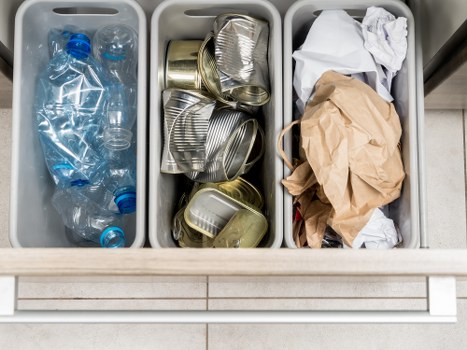
Some jobs are mostly about cutting back and removing growth, while others focus on taking away redundant outdoor belongings. We may clear stacked bags, unused containers, damaged furniture, firewood remnants or rusted garden accessories when these are part of a broader tidy-up. A careful sort is useful because not everything in an outdoor space belongs in the same pile. By distinguishing reusable items, recyclable material and waste, the clearance can be completed in a more orderly way and with less disruption to the rest of the property.
We also make room for different end goals. A customer may want the garden left ready for mowing, another may want a clearer base for fencing or paving, and another may simply want the overgrowth reduced so the space feels usable again. The service is therefore practical rather than decorative: it is about removing the layers that block normal use. Clear access to key areas often makes a real difference to how the space feels once the unwanted material has gone.
Overgrown spaces, border clean-ups and seasonal waste

Some gardens need more than a routine tidy. When weeds, brambles or self-seeded growth have spread through beds and along fences, clearance becomes a way to restore definition to the space. The work may involve cutting back dense growth, removing tangles from boundaries and lifting accumulated debris from the ground. In this kind of job, the focus is not perfection; it is to recover the usable parts of the garden and make the remaining features easier to work with.
Seasonal clearance can be just as useful. Autumn often brings large volumes of leaves, stems and cut-back material, while spring may uncover winter damage, dead growth and forgotten clutter. A sensible clearance removes the material that gets in the way of planting, access or upkeep. It can also help with surface visibility, which matters around stepping stones, edging and narrow side returns where items and growth can build up out of sight. The result is usually a garden that is simpler to maintain in the short term.
If you are preparing for other outdoor work, it helps to clear first rather than work around waste. That is especially true before soil improvement, turf repair or any layout changes involving borders and paths. Use the space for what you want it to do, not for storing items that no longer have a purpose. If you need help deciding how much should be removed, a brief description of the area and the main materials involved is usually enough to request a quotation.
Choosing the right level of clearance
The right level of clearance depends on what is currently in the garden and what outcome you want afterwards. A small patio corner with bags, branches and a broken planter may only need a short visit, while a larger plot with tangled growth and mixed waste will need more time and more sorting. We can focus on one section of the garden or carry out a broader removal, depending on how the work is best approached. That flexibility matters when the aim is to regain control without overdoing the job.
It can help to think in terms of categories. Green waste, broken outdoor items, timber, soil and general clutter are often handled together during one service, but each group may need slightly different handling. If there is material you would like to keep, set it aside before the clearance begins. This keeps the process cleaner and reduces the chance of anything useful being mixed in with waste. For awkward spaces, it is also useful to think about access points, especially where items need to be carried through narrow side passages or around planted areas.
- Use the service for growth that has outgrown the space.
- Choose it when outdoor items are no longer wanted or needed.
- Combine it with a tidy-up before maintenance or landscaping.
- Separate keepers from waste before work begins if you want to protect specific items.
Garden waste, mixed materials and responsible handling
Garden work often produces a mixture of material rather than one neat pile. Fresh cuttings, woody stems, soil, old compost, plastic pots and damaged garden fittings may all appear in the same area. Handling that mix well means sorting what can be grouped together and what should be kept separate. A good clearance therefore saves you from having to break the job into several smaller tasks yourself. The goal is to remove the waste efficiently while keeping the remaining parts of the garden tidy and accessible.
Where the waste is mostly organic, the job can usually be organised around green material and bulky outdoor cuttings. Where the space also contains hard items, the clearance becomes a more general removal task. Either way, the important point is that the site is left ready for sensible next steps. That might be sweeping up loose debris, making a path usable again, or simply opening up the borders so you can see the shape of the garden more clearly. Orderly removal is often the difference between a half-finished tidy and a genuinely useful clear-out.
We also keep the work practical for households with limited time or physical access to outdoor areas. If a garden has become difficult to enter, or if the main issue is that the waste has spread into several corners, a planned clearance can bring the job back under control. To move forward, it helps to know roughly what needs taking away and which parts of the garden are most urgent. From there, it is easier to shape the work and provide a quote that reflects the actual task.
Clearances linked to other outdoor improvements

Garden clearance is often the first step before other outdoor improvements take place. If you are planning new planting, re-edging, simple landscaping or surface repairs, clearing the space first makes each later task easier to judge. It also avoids paying to work around old waste or overgrown sections that would soon need removing anyway. When the garden is cleared in stages, each stage can be approached with better visibility and less interruption from unwanted material.
Some customers want a general tidy before property changes, while others simply want the outdoor space to feel open again. In both cases, the service can be tailored so that the work removed is the work that has become unnecessary. This may include untidy border growth, old supports, damaged containers or loose debris that has gathered in hidden corners. The result is a cleaner site that is easier to keep under control afterwards, whether you maintain it yourself or pass it on for future work.
For a sensible start, make a short note of the areas that matter most and the main things you want removed. That is usually enough to begin discussing the likely scope. If you are ready to take the next step, our quotation process is designed to reflect the actual condition of the garden rather than a generic description of the work.
About Wallington
Wallington is a suburban area in the London Borough of Sutton, in south London, with a history shaped by the gradual spread of rail-connected residential development. The name is associated with the Wandle Valley, and the area sits within a wider landscape that has long combined settlement, transport corridors and green open space. Much of Wallington’s present character comes from the mix of Victorian, Edwardian and later twentieth-century housing, alongside local shopping streets and civic buildings that reflect its growth from a smaller community into a commuter suburb. The town centre around Station Road forms a practical focal point, while nearby residential streets extend into quieter neighbourhoods with a more domestic scale.
Local green space is a notable part of Wallington’s identity. Beddington Park, close to the boundary of the area, offers open lawns, mature trees and historic associations with the former Beddington estate. The River Wandle has also influenced the wider district, linking Wallington to a corridor of waterways, mills and riverside landscapes that have played a role in the history of south London. The area’s built environment combines everyday suburban streets with pockets of older architecture, including churches, schools and community buildings that help give the place its recognisable local character. Wallington is therefore both settled and varied: a place of transport links, public green space and layered suburban history.
Practical planning for domestic and outdoor clearances
Good preparation helps a clearance run smoothly, but it does not need to be complicated. If you can identify the main items to be removed, note any awkward access and decide whether anything should be kept back, that is usually enough to begin. Photographs can help when the garden is large or broken into sections, especially if the layout is not easy to describe in words. For more straightforward jobs, a concise description of the waste and the space is often sufficient. The purpose is simply to give a realistic picture of the work.
It is also useful to think about timing. A clearance may be more efficient if it happens before a planned garden project, before a property change or after a period when the space has been left untended. If you have items stored outdoors that no longer belong there, gather them together first so they can be assessed alongside the rest of the work. This keeps the process more focused and reduces the chance of repeated handling. If your garden includes both soft and hard materials, it helps to mention that early so the quotation reflects the whole job.
We can then match the removal to the job in hand rather than treating every garden as identical. That is especially helpful when the space contains a mix of growth, loose waste and damaged outdoor items. If you would like to discuss the clearance in more detail, use the information you already have and send it through with your enquiry. Contact us here when you are ready for the final quotation step.
Garden clearance for different property types
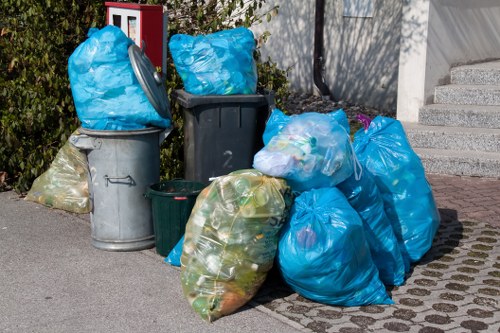
Different properties create different clearance patterns. A terraced home may have a narrow rear garden with access constraints, while a semi-detached property may include side return areas where waste builds up unseen. Larger plots can collect more growth, more loose material and more bulky outdoor items, but they may also offer easier working space once the clearance begins. Understanding the layout matters because it shapes how the work is organised and how much carrying, sorting and clearing is involved.
We can also adapt the work to the character of the outdoor area. Some gardens are mainly lawns and borders, others are paved or partly paved, and many are a combination of the two. Clearance on a paved space may focus on planters, weeds between joints, broken furniture and clutter, while a soil-heavy garden may need more green waste and root material removed. The task is to clear the space as it exists, not as an idealised version of it, so the approach should always fit the actual site.
Where customers want a tidier presentation for an upcoming event, sale or handover, the emphasis is often on removing visual clutter as well as heavier waste. That can mean clearing the obvious material first, then dealing with the smaller items that make a space feel untidy even when the main obstruction is gone. A careful approach keeps the garden looking intentional rather than merely emptied. Ask for a quote once you know the type of clearance you need and the main materials involved.
Final steps after the waste is removed
Once the unwanted material has gone, the remaining garden is easier to assess. You can see where new planting might work, where access has improved and which areas still need separate attention. Some customers go on to mow, sweep or begin a new layout soon after the clearance, while others simply want the room to breathe for a while before deciding what comes next. The main advantage is that the site is no longer carrying the visual and practical burden of old waste.
If the job has involved dense growth or a large accumulation of material, the post-clearance view can be revealing. Boundaries look neater, paths are easier to use and the garden becomes simpler to plan around. That is why a proper clearance is often more useful than repeatedly moving clutter from one corner to another. It removes the pressure on the space and leaves a clearer base for future upkeep, planting or repair work. A well-handled clearance should make the garden easier to understand as well as easier to use.
When you are ready to proceed, the next step is simple: outline what needs removing and ask for a quotation based on the actual garden. Whether the work is mainly green waste, mixed outdoor clutter or a fuller tidy-up, we can discuss the scope and shape the job around your priorities. Request a quotation today if you would like to get started.