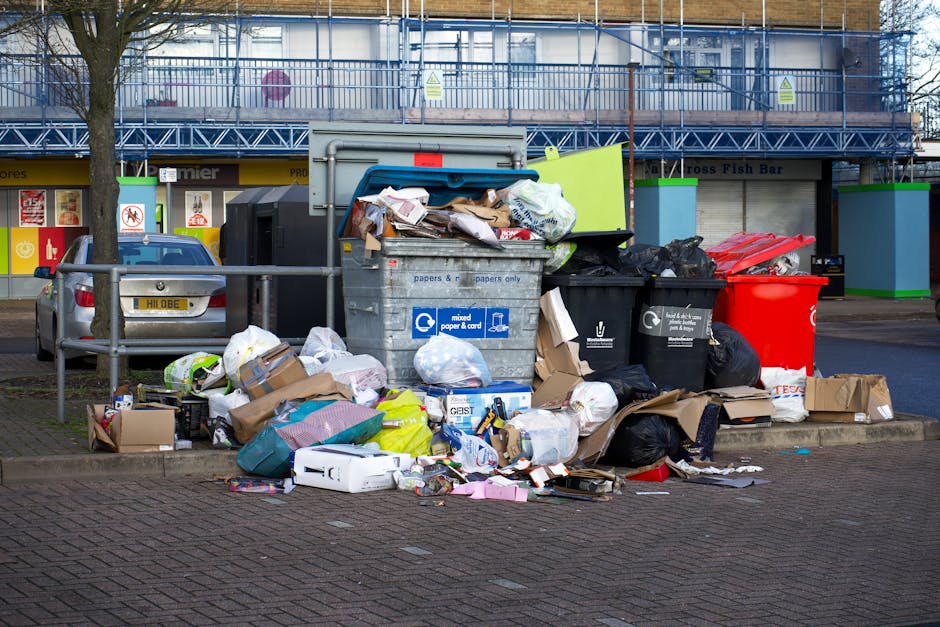
Wallington High Street rubbish removal SM6 guide
If you are trying to clear bulky rubbish, broken furniture, builders' debris, or general clutter around Wallington High Street, you already know the awkward part is not always the lifting. It is the timing, access, parking, and making sure the waste goes somewhere sensible. This Wallington High Street rubbish removal SM6 guide brings the whole process into one place, so you can decide what to do, what to avoid, and when a professional collection makes life easier.
High street locations are a bit different from a typical suburban driveway job. There can be tighter loading space, more foot traffic, and less patience for anything that blocks the pavement. Add a rainy afternoon, a few heavy items, and a deadline you should have dealt with last week, and suddenly rubbish removal feels more complicated than it should. Truth be told, that is exactly when a clear plan helps.
In this guide, you will find the practical steps for arranging rubbish removal in SM6, the main benefits, common mistakes, compliance points, and a simple checklist you can actually use. If you need broader support for mixed waste or a one-off clearance, waste removal services can be a sensible starting point.
Table of Contents
- Why Wallington High Street rubbish removal SM6 guide Matters
- How Wallington High Street rubbish removal SM6 guide Works
- Key Benefits and Practical Advantages
- Who This Is For and When It Makes Sense
- Step-by-Step Guidance
- Expert Tips for Better Results
- Common Mistakes to Avoid
- Tools, Resources and Recommendations
- Law, Compliance, Standards, or Best Practice
- Options, Methods, or Comparison Table
- Case Study or Real-World Example
- Practical Checklist
- Conclusion
- Frequently Asked Questions
Why Wallington High Street rubbish removal SM6 guide Matters
Rubbish removal on or around Wallington High Street is not just a tidy-up job. It affects access, safety, neighbours, customers, and how smoothly the day runs. A few bags left in the wrong place can create an obstruction. A pile of broken shelving can turn a small job into a stressful one. And if waste sits around for too long, it can become a visual problem as well as a practical one.
This matters even more in a busy local setting because high street properties often have a mix of homes, flats, shops, offices, and service spaces close together. That means waste can come from many different situations: a flat clearance after a move, shop refits, office decluttering, or a garage full of items that have simply become part of the scenery. We have all seen that one corner where things get stacked "temporarily" and then somehow stay there for months.
Good rubbish removal also supports better recycling and safer handling. Not everything belongs in a mixed load, and not every item should be dragged to the kerb and hoped for the best. A more considered approach can reduce mess, reduce stress, and avoid last-minute scrambling.
If your project involves a bigger property cleanout, it can help to look at home clearance support or even house clearance options when the volume is more than a simple one-off pickup.
How Wallington High Street rubbish removal SM6 guide Works
In practical terms, rubbish removal usually follows a simple pattern. You identify what needs to go, separate anything hazardous or special-handling, choose the right collection method, and arrange a pickup time that suits the access conditions. The detail is where things get interesting.
For a high street location, the key questions are:
- Can the waste be carried out safely without blocking the public footpath?
- Is there room for a vehicle to stop nearby, even briefly?
- Will the job need two people, or more, to move heavy items?
- Does any of the waste need separate handling, such as electricals, paint, sharps, or bulky furniture?
The cleaner and more organised the load is, the smoother the job tends to go. That does not mean you have to sort everything into perfect museum rows. No, let's not get silly. It just means separating obvious categories helps: furniture, bagged rubbish, wood, garden waste, plasterboard, cardboard, or office junk.
If you are dealing with renovation debris, take a look at builders waste clearance because mixed construction waste is often a different beast from household clutter. Likewise, if your job is mostly old desks, filing, or office equipment, office clearance is usually the better fit.
Key Benefits and Practical Advantages
The biggest benefit is simple: it saves time and energy. But there is more to it than convenience.
- Faster clearance: What might take you a whole weekend can often be completed in one organised visit.
- Less disruption: A professional team can move items efficiently, which matters on a busy street.
- Safer lifting: Large wardrobes, broken sofas, and heavy bags are where people tweak backs and bang walls.
- Better sorting: Reusable or recyclable materials can be separated more thoughtfully.
- Cleaner finish: Once the waste is gone, the space feels usable again. You notice the difference straight away.
There is also a peace-of-mind angle here. When rubbish is dealt with properly, you are less likely to leave bags out too long, forget about awkward items, or end up with a half-finished pile that turns into tomorrow's problem. That matters whether you are a homeowner, landlord, business owner, or tenant at the end of a tenancy.
For bulky items specifically, you may find furniture clearance or furniture disposal more suitable than general rubbish removal, especially when sofas, beds, wardrobes, or cabinets are involved.
Who This Is For and When It Makes Sense
This kind of local rubbish removal is useful for a wide range of people, and not just during a big spring clean. In fact, some of the most common jobs are more ordinary than dramatic.
- Homeowners clearing out old furniture, broken appliances, or loft clutter
- Tenants needing to leave a property tidy before handing back the keys
- Landlords and letting agents dealing with left-behind items after a move-out
- Shop owners replacing fixtures, display units, or packaging waste
- Office managers removing desks, chairs, filing, and old equipment
- Tradespeople with renovation waste after a small job or refurb
It makes sense when the waste is too much for normal bins, too awkward for a standard car, or too heavy to deal with safely on your own. It also makes sense when time matters. If a space needs to be cleared before a delivery, inspection, or move, waiting around is rarely the best plan.
For garages, lofts, and mixed storage areas, services such as garage clearance and loft clearance can be especially helpful because these areas tend to collect odd-shaped, dusty, hard-to-shift things. You know the type: a cracked lamp, a mystery box, old paint tins, and a bike wheel that has not seen a tyre in years.
Step-by-Step Guidance
If you want the process to be smooth, a little preparation goes a long way. Here is a straightforward way to approach it.
- Walk the site first. Look at what actually needs removing, not just what you remember is there. Things seem smaller in memory. Then you stand in the room and think, oh.
- Sort items into groups. Keep furniture, general rubbish, wood, cardboard, and anything special-handling separate where possible.
- Check access. Note stairs, narrow hallways, loading restrictions, entry codes, or shared entrances. On Wallington High Street, access is often the hidden challenge.
- Identify anything risky. Broken glass, needles, chemicals, wet paint, and some electricals need more care.
- Decide whether it is a partial or full clearance. A few bulky items may only need a small collection, while an inherited property or office move may need a broader service.
- Request a quote with clear details. Share photos if you can, describe access honestly, and mention if there are parking constraints or lifting difficulties.
- Prepare the space before the team arrives. Move small loose items aside, keep walkways open, and make sure the items to be taken are clearly identified.
- Confirm what happens after collection. Ask about recycling, disposal routes, and how anything unsuitable for mixed waste will be handled.
One practical tip: if an item is too good to be thrown away, keep it separate early. Reusable furniture, working appliances, and clean fixtures often need a different decision than standard rubbish. That is where a little discipline pays off.
Expert Tips for Better Results
Over time, the jobs that go most smoothly tend to share a few habits. Nothing dramatic. Just sensible, unflashy preparation.
Use photos, not long descriptions. A quick set of images usually tells the real story better than a paragraph about "some clutter in the back room."
Measure awkward items. If something is wide, tall, or fixed into a tight spot, measure it. Doorways have a habit of being less generous than they look.
Separate reusable items early. This is especially useful for furniture, office equipment, and home contents that may still have life left in them.
Think about timing. Early morning collections can help on a busy street, before foot traffic picks up and parked cars start filling the road.
Keep walkways clear. It sounds basic, but a clear path cuts the risk of damage and speeds things up considerably.
Be realistic about lifting. A single heavy wardrobe can be more awkward than a dozen bin bags. That is not laziness talking; that is physics.
If sustainability matters to you, it is worth asking how the waste will be separated. You can also review recycling and sustainability information to understand the broader approach to responsible disposal.
Common Mistakes to Avoid
Most rubbish removal mistakes are not dramatic. They are small, avoidable oversights that create bigger problems later.
- Leaving the sort-out too late. Last-minute piles are harder to price and slower to clear.
- Underestimating volume. Three bags in your head can become a van full in reality.
- Ignoring access restrictions. Narrow entrances, steps, and parking issues can slow the whole job down.
- Mixing regular waste with special items. Paint, chemicals, and electricals need extra care.
- Assuming everything can go together. Good clearance is organised clearance, not just loading everything and hoping.
- Not checking what is included. Always confirm whether lifting, loading, sorting, and disposal are all covered.
Another common one: keeping "maybe" items in the pile. If you are genuinely unsure, set them aside before collection day. Once they are gone, they are gone. Obvious, yes, but people do this every week.
Tools, Resources and Recommendations
You do not need specialist gear for every clearance, but a few basics make a big difference.
- Heavy-duty sacks or boxes for loose rubbish and smaller mixed waste
- Gloves for dusty, sharp, or rough materials
- Mask if you are dealing with loft dust, old insulation, or mouldy storage areas
- Tape measure for awkward furniture or access points
- Marker pen and labels if some items are staying and some are going
- Phone camera for quick quote photos and before/after records
For certain property types, more specific services are helpful. A cluttered rental flat may be better suited to flat clearance, while a larger mixed-property cleanout may call for home clearance or house clearance. If your rubbish removal is tied to commercial activity, business waste removal is often the more relevant route.
When comparing providers or methods, a little common sense goes a long way. Look for clear communication, realistic timing, and a straightforward process. If a quote seems oddly vague, ask for more detail. That is not being awkward. That is being sensible.
Law, Compliance, Standards, or Best Practice
With waste, the safest position is to follow recognised UK best practice and avoid cutting corners. You do not need to become an expert in waste rules to make a smart decision, but you should understand the basics.
In plain English, the main points are these:
- Duty of care matters. Waste should be passed to a responsible carrier and handled properly.
- Some items need special treatment. Electricals, batteries, paints, chemicals, and certain building materials are not ordinary rubbish.
- Do not leave waste where it blocks others. High street settings can affect pedestrians, neighbours, and nearby businesses.
- Use caution with hazardous materials. If you are unsure what something is, do not guess.
Best practice also includes reasonable recycling and sorting. That does not mean every item can be reused or recycled, but it does mean it is worth making the effort where possible. Good waste handling is less about fancy language and more about doing the sensible thing consistently.
If you want to understand the company standards behind a service, pages such as health and safety policy, insurance and safety, and terms and conditions can help clarify expectations before you book.
Options, Methods, or Comparison Table
Not every clearance needs the same approach. Here is a simple comparison to help you choose the right method for Wallington High Street and the wider SM6 area.
| Option | Best for | Strengths | Limitations |
|---|---|---|---|
| Self-tipped loads | Very small amounts of waste | Can work for occasional bags and lightweight items | Time-consuming, physical effort, transport and disposal risk fall on you |
| Skip hire | Longer projects with space for a skip | Useful for ongoing work, especially if waste builds up over days | Needs space, can be awkward on a busy street, requires filling and managing yourself |
| Professional rubbish removal | Mixed waste, bulky items, tighter access, quick turnaround | Fast, practical, less lifting for you, usually better for access-heavy jobs | May cost more than doing it yourself, depending on volume and access |
For many Wallington High Street jobs, professional removal is the easiest compromise between speed and convenience. That is especially true where access is tight or the waste includes heavy furniture, mixed materials, or items that need careful sorting. If the job is a straightforward furniture-only pickup, furniture disposal may be the cleanest match. If you are clearing a workshop, an old store room, or a cluttered rear space, garage clearance can be surprisingly useful too.
Case Study or Real-World Example
Here is a realistic example. A small business near Wallington High Street has just finished a refit and needs old shelving, broken display boards, flat-pack packaging, and a couple of worn office chairs removed before opening the next day. The site is accessible, but only in a narrow window because of customers and nearby parking.
The sensible approach is to:
- photograph the waste in advance
- separate recyclable cardboard from mixed rubbish
- flag anything bulky or heavy
- agree a collection time early in the day
- confirm how loading will work without blocking the pavement
That kind of job usually goes better when the client knows exactly what is staying and what is going. The team can arrive, move efficiently, and leave the space ready for business. No chaos, no guessing, no last-minute "oh, that chair stays after all."
In another common scenario, a family clearing a flat after a move finds that a few items are fine, but the old sofa, broken bedside tables, and a pile of miscellaneous attic stuff are not worth keeping. That is exactly where a mixed clearance approach saves time and reduces the back-and-forth of trying to deal with each item separately.
Practical Checklist
Use this checklist before collection day. It keeps the job calm and helps avoid the sort of awkward surprises that always seem to show up when you are already running late.
- Identify everything that needs removing
- Separate reusable items from genuine waste
- Check for hazardous or special-handling materials
- Take clear photos of the pile
- Measure awkward or oversized items
- Check stairs, door widths, and access points
- Think through parking or loading restrictions
- Make sure the path to the waste is clear
- Confirm the collection time and what is included
- Keep pets, children, and bystanders out of the working area
Quick expert takeaway: the more clearly you define the job before the team arrives, the smoother, quicker, and tidier the whole removal tends to be. That is the real secret. Not magic, just preparation.
Conclusion
Rubbish removal around Wallington High Street does not have to be a headache. Once you understand the access issues, the type of waste involved, and the right method for the job, it becomes much more manageable. Whether you are clearing one heavy item or dealing with a full property or business space, the goal is the same: remove the waste safely, keep disruption low, and leave the area ready for what comes next.
Use this guide as your practical reference point. Start with sorting, think about access, and choose the service level that fits the scale of the job. If you are still weighing up the best route, the most helpful next step is usually to compare the waste type, the volume, and how quickly you need the space back.
Get a free quote today and see how much you can save.
And if the job feels a bit overwhelming, that is normal. Most clearances do look bigger before they get smaller. Once it starts moving, things usually fall into place.
Frequently Asked Questions
What does Wallington High Street rubbish removal usually include?
It typically includes the collection, lifting, and disposal of general household waste, bulky items, and mixed rubbish from homes, flats, shops, or offices near the high street. The exact scope depends on the type and volume of waste.
Is rubbish removal in SM6 suitable for bulky furniture?
Yes, especially if you have sofas, wardrobes, beds, or other heavy items that are awkward to move. In many cases, furniture clearance is the most practical option.
How should I prepare waste for collection?
Group items by type where possible, keep walkways clear, and set aside anything you want to keep. Taking photos beforehand is useful too, especially if the pile includes mixed items or access is tight.
Can I mix builders' rubble with household rubbish?
You can sometimes have mixed loads, but builders' waste often needs separate handling because it can be heavier, dustier, and more suitable for builders waste clearance than a standard household pickup.
What if the property has narrow access or stairs?
That is common around older and mixed-use properties. It is best to explain access limits in advance so the team can plan the right number of people and the right approach.
Is rubbish removal better than hiring a skip?
It depends on the job. A skip can suit longer projects where you have space, while rubbish removal is often easier for tight access, bulky items, and quicker turnarounds. If you want less hassle, removal often wins.
Do I need to sort recycling before collection?
It helps, but you do not always need to separate everything yourself. Good providers will usually sort suitable materials where practical. Still, separating cardboard, reusable items, and obvious special waste makes the job smoother.
Can businesses near Wallington High Street use this service?
Yes. Shops, offices, salons, and small commercial premises often need fast waste clearance, especially after refurbishments, stock changes, or seasonal resets. Business waste removal can be a better fit for commercial needs.
How do I know if I need a full clearance rather than a small rubbish removal?
If the waste fills several rooms, includes storage areas, or feels like more than a one-off load, a fuller service may be better. For example, flat clearance or house clearance may be more appropriate for larger jobs.
What should I ask before booking?
Ask what is included, how access is handled, whether lifting and loading are covered, and how disposal is managed. If safety or insurance matters to you, review the relevant policy pages first so you know what to expect.
What happens to the waste after collection?
It should be taken to appropriate disposal or sorting facilities, with recyclable materials separated where possible. Responsible handling is a key part of any decent rubbish removal service, not an afterthought.
How far in advance should I book rubbish removal?
As early as you reasonably can, especially if you need a specific time window or have access constraints. Busy streets, tight parking, and end-of-day pressures can make flexible timing very helpful.