Garden Clearance Wallington: Recycling and Sustainability Commitment
Our Garden Clearance Wallington service focuses on eco-friendly waste disposal and promoting a sustainable rubbish area across Wallington and the wider Sutton borough. We prioritise reuse, recycling and low-carbon operations to ensure garden clearance in Wallington reduces landfill impact. Our ambition is not only to clear spaces but to leave community green areas cleaner and greener, aligning with borough policies on separating recyclables from general waste and supporting local reuse networks.We work closely with local recycling centres and transfer points to keep as much material as possible out of landfill. The borough approach to waste separation — including separate collections for paper, glass, cans, plastics and organic food/green waste — informs our sorting at source. By matching our clearance workflow to the borough's kerbside standards we increase the volume of properly separated material delivered to third-party sorting facilities, improving overall recycling rates.
 When crews clear a garden, they separate material into discrete streams: green waste, wood and timber, metals, inert materials (soil/stone), and items suitable for reuse. Recycling percentage target: our operational target is a minimum of 75% diversion from landfill for routine garden clearances, rising to 85% where items are clean and segregated at collection. This reflects an ambitious local benchmark for eco-friendly garden waste removal in Wallington and supports the borough's drive toward higher household recycling.
Local Transfer Stations and Responsible Disposal
We deliver separated loads to authorised transfer stations and materials recovery facilities (MRFs) close to Wallington, ensuring material is handled by licensed operators. Examples include nearby Sutton and south London transfer facilities that process green waste into compost, timber into biomass or chipping, and recyclables into market-grade streams. Using local transfer stations reduces vehicle mileage and emissions, contributing to a lower-carbon disposal chain for Wallington garden waste removal.To support transparency and traceability we document where major waste streams are taken, and partner with facilities that provide recovery certificates. Key practices include:
- Sorting on-site to eliminate contamination,
- Transporting organics to composting or anaerobic digestion sites,
- Sending reusable items to refurbishment pathways.
Partnerships with charities and social enterprises are central to our reuse strategy. Usable garden furniture, pots, pre-loved tools and salvageable timber are offered to local charity shops and community projects before recycling. By connecting with local charity networks, we extend item lifecycles and support social benefit while lowering the overall carbon footprint of garden clearance in Wallington.
Charity Partnerships and Community Reuse
We regularly collaborate with community organisations and social enterprises in Sutton and neighbouring boroughs. These partnerships enable the redistribution of usable items to community allotments, homeless projects, and local repair cafes. Strong links with neighbourhood charities mean that items which would otherwise be incinerated or landfilled can be repurposed, creating both environmental and community value. Our approach to Wallington garden waste removal emphasises reuse before recycle.To further reduce emissions we operate low-carbon vans including hybrid and electric vehicles for short urban runs, and route optimisation software to minimise mileage. These measures lower greenhouse gases for each clearance job. For larger loads we use Euro 6 compliant vehicles and consolidate trips to transfer stations to reduce the number of journeys—part of our commitment to offering an eco-friendly garden clearance Wallington service that is mindful of air quality and carbon budgets.
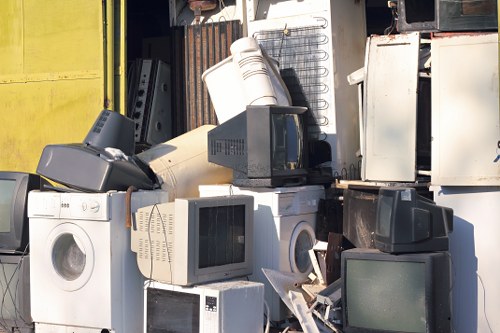 Our service model also includes community education touchpoints: we provide clear labelling of collected waste streams, brief household notes on how disposal choices affect recycling rates, and encourage pre-separation where practical. While not a formal guide, these practical notes help residents understand how the borough's approach to waste separation — separate dry recyclables, food waste, and green waste — aligns with our clearance processes and boosts local recycling performance.
Measuring impact is essential. We track load compositions, recycling percentages, donation volumes and vehicle emissions. Annual targets include raising the average recycling / reuse rate from routine clearances to meet and ideally exceed our 75% baseline, cooperating with transfer stations to improve material recovery, and expanding charity partnerships to increase reuse throughput. These metrics inform operational improvements and community reporting.
Practical examples of material flows include: mulch and compost produced from shredded green waste returned to community gardens, reclaimed bricks or paving reused in local landscaping, and metalwork recycled through authorised scrap channels. These activities exemplify a comprehensive, sustainable rubbish area approach for Garden Clearance Wallington and nearby neighbourhoods.
In summary, our eco-focused garden clearance services in Wallington combine careful on-site segregation, partnerships with local transfer stations and charities, and a fleet strategy prioritising low-carbon vans. By aiming for high recycling percentages and promoting item reuse, we strive to create greener streets, healthier green spaces and a sustainable rubbish area that benefits the whole community.